Pollinators are the unsung heroes of every garden and allotment. Without them, many of our favourite crops simply wouldn’t produce the harvests we rely on. From bees and hoverflies to butterflies and beetles, pollinators transfer pollen between flowers, ensuring successful fertilisation and fruit set.
By creating a pollinator-friendly space in your garden or polytunnel, you’ll not only boost your harvests but also help support declining insect populations across the UK.
Why Pollinators Matter
Pollinators are essential for fruiting crops such as:
- Tomatoes (see Crop Spotlight: Tomatoes), which often need assistance with pollination in polytunnels.
- Cucumbers (Crop Spotlight: Cucumbers) and Courgettes (Crop Spotlight: Courgettes) where insects transfer pollen from male to female flowers.
- Peas (Crop Spotlight: Peas) and Broad Beans (Crop Spotlight: Broad Beans) which rely heavily on bees for pod production.
- Strawberries, which produce fuller, better-shaped fruit when pollinated by insects.
Even leafy crops such as Rocket (Crop Spotlight: Rocket) and Spinach (Crop Spotlight: Spinach) can benefit from pollinators in terms of seed production if you want to save your own seed.
According to the Royal Horticultural Society (RHS), pollinators play a vital role in maintaining healthy ecosystems as well as food production (RHS Pollinators).
Best Crops for Attracting Pollinators

Some crops are particularly good at drawing in bees, butterflies, and other beneficial insects. Consider sowing alongside your vegetables:
- Borage (Crop Spotlight: Borage) — a magnet for bees, and its edible flowers brighten up summer salads.
- Mustard (Crop Spotlight: Mustard) — quick to flower and very attractive to pollinators.
- Chard (Crop Spotlight: Chard) and Kale (Crop Spotlight: Kale) left to flower provide valuable nectar sources in late spring.
- Herbs like thyme, rosemary, and mint are also excellent additions.
Creating a Pollinator-Friendly Polytunnel

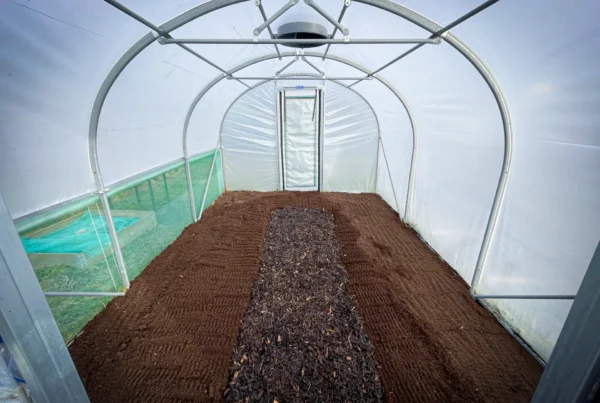
While polytunnels can limit insect access, there are ways to ensure pollinators still reach your crops:
- Keep doors and side vents open during the day when pollinators are most active.
- Plant nectar-rich flowers like borage or marigolds inside the tunnel.
- Hand-pollinate crops like tomatoes if natural pollinators are scarce — a quick shake of the flower trusses mimics a bee’s buzz.
Top Tips for Supporting Pollinators
- Plant a variety of flowers that bloom from spring through autumn.
- Avoid pesticides, especially during flowering periods.
- Provide shelter, such as wild patches, hedges, or bee hotels.
- Think succession planting — as crops like radishes (Crop Spotlight: Radishes) and rocket go to flower, they can become unexpected food sources for insects.
Conclusion
Pollinators aren’t just a bonus, they’re a necessity. By making your garden or allotment more welcoming to these vital insects, you’ll enjoy bigger harvests, healthier plants, and the satisfaction of knowing you’re helping biodiversity thrive.
So next time you’re planning your sowing calendar, don’t just think about what you want to eat, think about what will keep the pollinators fed, too.
👉 Explore our Crop Spotlight series to learn more about individual crops and how to grow them successfully.

EasyBuild: Design Your Polytunnel in Minutes!
Thinking of getting a polytunnel? Don’t just take our word for it, try the EasyBuild Configurator and compare for yourself.
We built EasyBuild to make polytunnel growing easier, tougher, and better value. Looks like it worked.